2026-11-10 · Mike Donovan
Basement Flooding After Heavy Rain Near Manhasset Bay
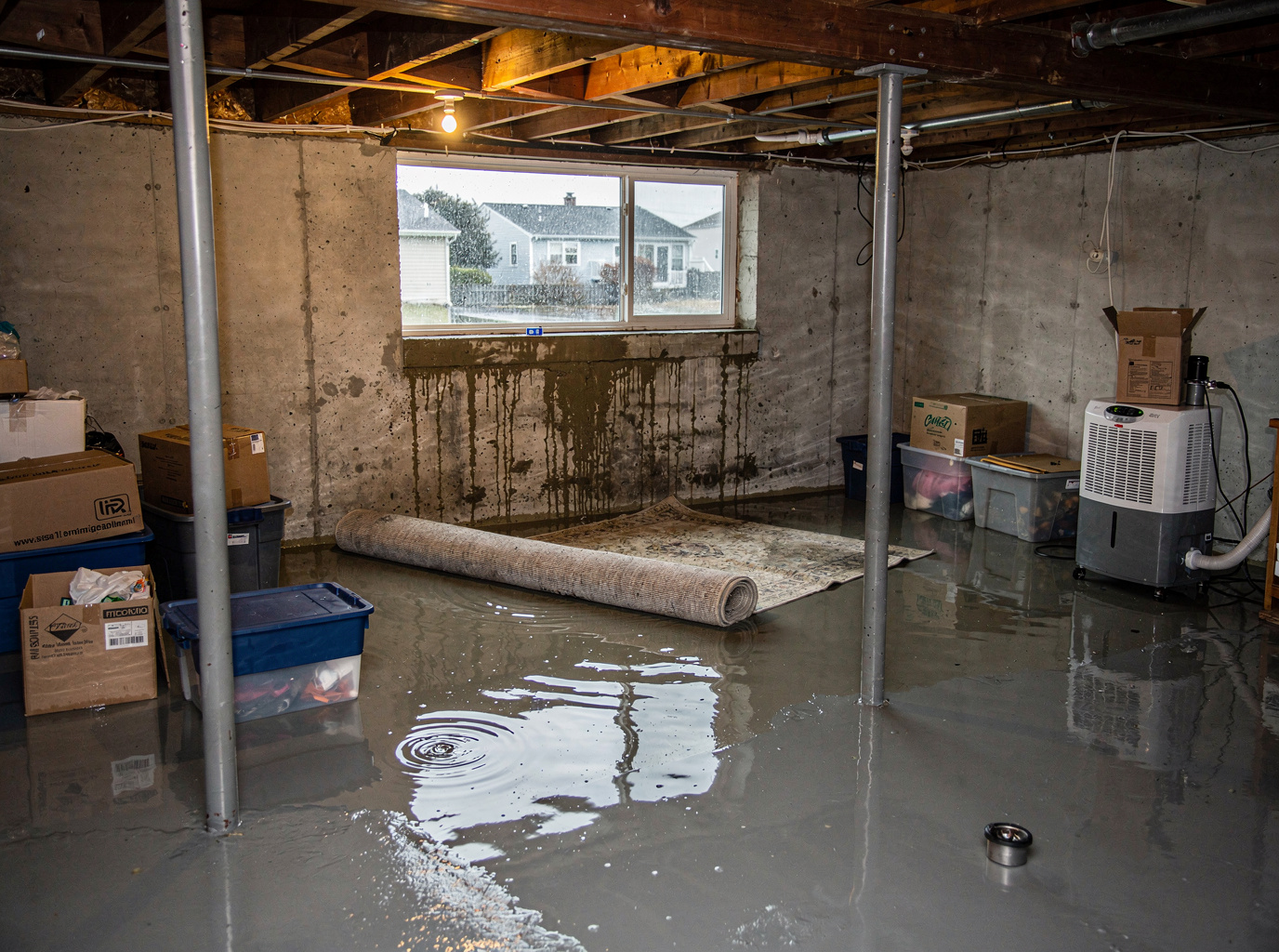
Heavy rain near Manhasset Bay often causes basement flooding in North Hempstead homes within a few hours when saturated ground forces water through foundation cracks and sump pump failures. Older housing stock along the bay and in nearby Manhasset and Great Neck experiences this pattern repeatedly because many foundations predate modern waterproofing standards and sit on clay-heavy soils that drain slowly.
Why Heavy Rain Triggers Flooding Near Manhasset Bay
Manhasset Bay sits in Nassau County where coastal storms deliver concentrated rainfall that overwhelms storm drains and raises the local water table quickly. Homes in Manhasset, Flower Hill, and Plandome Manor commonly see water enter at the basement slab joint or through porous concrete walls after sustained downpours. The flat terrain and proximity to the bay prevent natural runoff, so water pools against foundations for days. In North Hempstead neighborhoods such as Roslyn and Port Washington, seasonal nor'easters compound the issue by combining rain with tidal surges that push additional moisture inland. These conditions turn minor leaks into standing water that damages flooring, drywall, and electrical systems if extraction does not begin promptly.
How Local Soil and Housing Age Affect Water Intrusion
North Hempstead's mix of older colonial and mid-century homes features basements with minimal exterior drainage or outdated French drains that clog with silt from bay-adjacent soils. Clay and loam mixtures common in the area retain moisture long after rain stops, creating hydrostatic pressure that forces water through hairline cracks. Residents in Great Neck and Kings Point often discover that tree roots from mature landscaping further block perimeter drains, directing water toward the foundation instead of away from it. When these homes experience repeated flooding, the cumulative effect weakens mortar joints and accelerates mold growth behind finished walls. Addressing the entry points requires targeted water damage repair that accounts for both the soil conditions and the age of the structure rather than generic fixes.
Immediate Steps After Basement Flooding
Begin by shutting off electricity to the affected area and documenting water depth with photos before any removal. Remove standing water using submersible pumps rated for the volume present, then extract remaining moisture from carpets and padding within the first 24 hours to reduce secondary damage. Open windows and use fans to promote airflow while avoiding dehumidifiers until bulk water is gone. Homeowners in Manhasset and surrounding North Hempstead streets should mark the high-water line on walls to guide later drying verification. These steps limit the spread to adjacent rooms and preserve salvageable contents before professional water damage restoration crews arrive with industrial equipment.
When Professional Water Damage Restoration Becomes Necessary
If water reaches electrical outlets, HVAC equipment, or finished living spaces, homeowners need water damage restoration that includes moisture mapping and antimicrobial treatment. In Nassau County properties near Manhasset Bay, hidden saturation in subfloors often requires removal of baseboards and sections of drywall for proper drying. Technicians also evaluate whether the sump pump or exterior grading contributed to the event so future incidents can be reduced. Water damage repair follows once the structure is dry, focusing on matching original materials in older North Hempstead homes. Delaying this process allows mold colonies to establish within 48 hours in the humid coastal climate.
Long-Term Prevention for Bay-Area Homes
Improving exterior grading to slope water away from the foundation and installing battery backup for sump pumps reduces repeat flooding in Manhasset and nearby communities. Periodic inspection of perimeter drains catches root intrusion before it causes backups during heavy rain. For homes in Port Washington and Roslyn Heights, adding interior French drains tied to a reliable pump system provides a secondary line of defense when bay tides rise. These upgrades address the specific soil and elevation realities of the North Hempstead waterfront rather than relying on temporary barriers. Regular maintenance keeps systems functional through the wetter months when storms track up the coast.