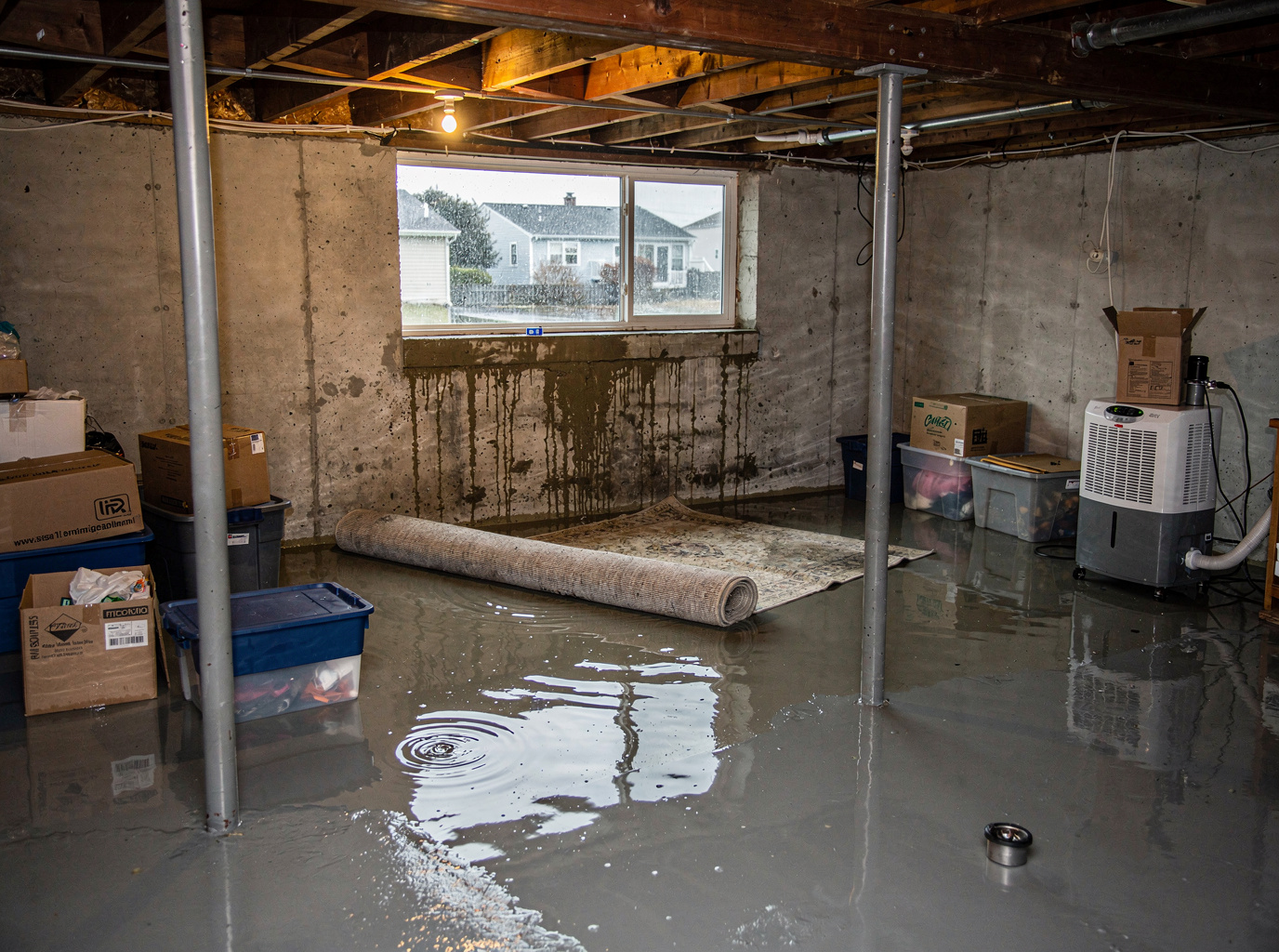
Saddle Rock sits on the Great Neck peninsula with many 1920s–1950s colonials and capes built on narrow lots that back up to Manhasset Bay. When nor’easters push water over East Shore Road or a basement pipe bursts, water moves fast through the tight crawl spaces and slab foundations common here. Our crews based at 63 Cathedral Ave respond directly to these properties, bringing portable extractors that fit the winding driveways and limited side-yard access typical of the village.
Older Saddle Rock homes often have cast-iron drains and stone foundations that crack after repeated tidal flooding. We focus on pulling moisture from behind lath-and-plaster walls and under oak floors before mold sets in the humid coastal air. Because the village has no wide streets for large equipment, we stage dehumidifiers and air movers on the curb and run hoses through side doors to keep restoration moving without blocking neighbors.
Residents along Cutter Mill Road and Steamboat Road see water intrusion from both roof leaks during heavy rain and rising groundwater after high tides. We map each job to the exact lot layout so drying equipment reaches the lowest corners of finished basements without disturbing established gardens or shared driveways.
Around Saddle Rock
We regularly work near:
- 📍Saddle Rock Grist Mill
- 📍East Shore Road
- 📍Cutter Mill Road
- 📍Steamboat Road
- 📍Manhasset Bay waterfront
- 📍Saddle Rock Village Green
Water Damage Restoration in Saddle Rock — Local Notes
- •Narrow lots and shared driveways in Saddle Rock mean we often use compact extraction tools and run drying hoses through side entrances rather than front doors.
- •Many homes sit on fill near the bay; after storms we check for hidden water under concrete slabs that standard pumps miss.
- •Stone foundations along East Shore Road frequently wick moisture upward, so we place sensors at multiple heights to confirm full drying before closing walls.
- •Mature trees on small parcels drop leaves that clog gutters; we clear those lines first to prevent repeat roof leaks during the next nor’easter.