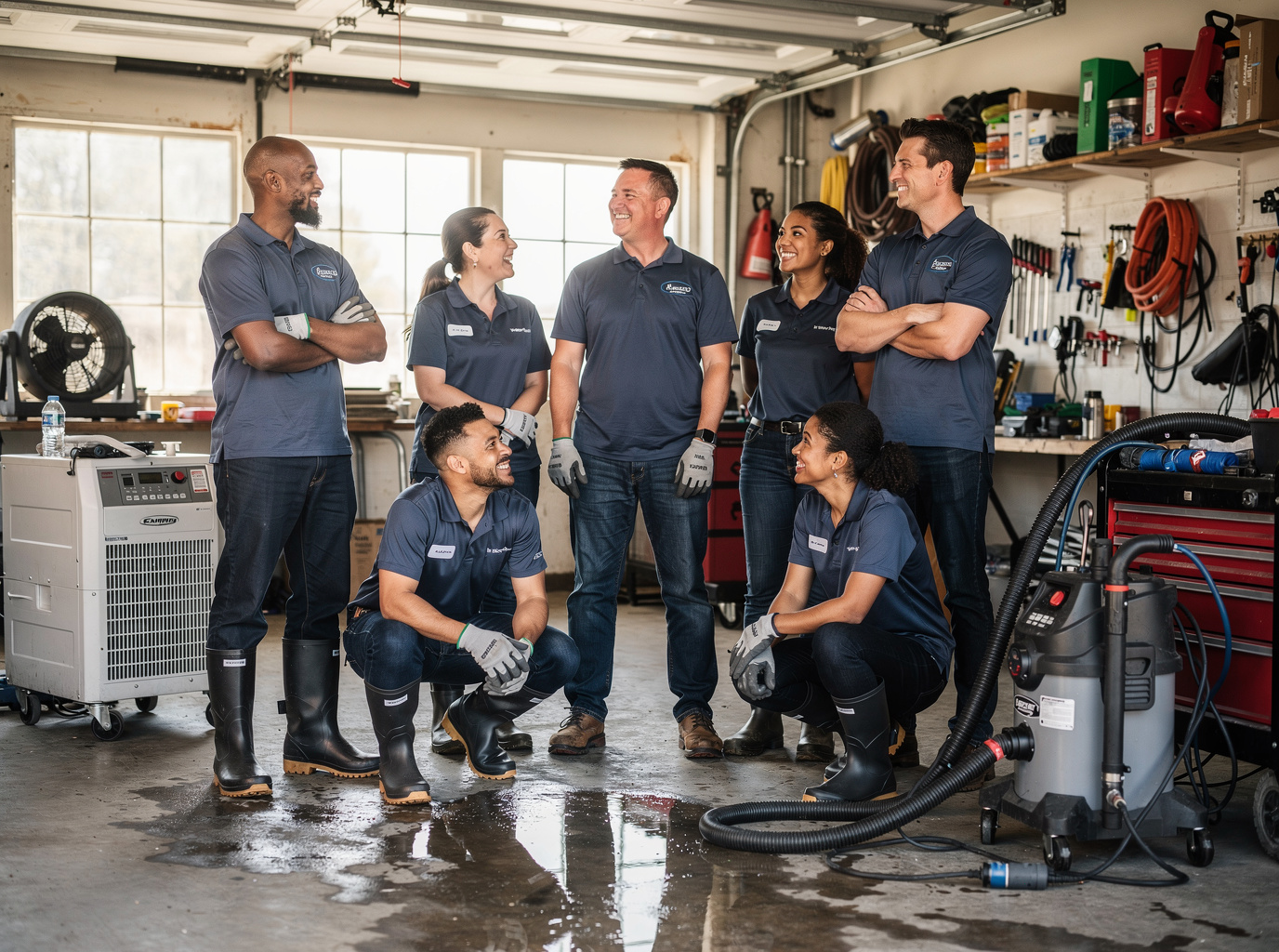
Williston Park homes built in the 1920s through 1950s often have finished basements and older cast-iron pipes that leak after heavy rain. When water enters through foundation cracks or sump failures, crews from 63 Cathedral Ave reach the neighborhood via Willis Avenue within minutes to begin extraction before mold sets in.
Tight lots between Roslyn Road and Post Avenue limit where large dehumidifiers can sit, so technicians stage equipment on driveways and run hoses through side yards. Nor'easters that drop several inches overnight push water toward the low spots along Hillside Avenue, requiring targeted drying under subfloors in these Cape Cod and colonial houses.
North Hempstead Water Damage Restoration pros answer calls from Williston Park residents during business hours and coordinate with local plumbers when supply lines fail inside walls.
Around Williston Park
We regularly work near:
- 📍Willis Avenue
- 📍Williston Park Village Hall
- 📍St. Aidan Roman Catholic Church
- 📍Roslyn Road
- 📍Post Avenue
- 📍Hillside Avenue
Water Damage Restoration in Williston Park — Local Notes
- •Many Williston Park properties sit on clay-heavy soil that drains slowly, so basement water lingers longer after storms and needs extended drying times.
- •Narrow driveways and mature trees along Willis Avenue require compact extraction units instead of full-size trucks to reach rear additions without damaging landscaping.
- •Older homes near the Village Hall often have gravity drains that back up during peak rainfall, pushing water into finished lower levels.
- •Proximity to the LIRR tracks means vibration can worsen small foundation cracks, turning minor leaks into larger restoration jobs after repeated nor'easters.